Navigating what’s next in orthodontics.
Orthodontist · Educator · International Speaker
The premise
The profession is changing.
The technology is changing.
The patient is changing.
The practice is changing.
The future of orthodontics isn’t simply about adopting more technology. It’s about understanding how technology changes the way we diagnose, communicate, treat, collaborate, operate, and connect with our patients.
Change creates opportunity.
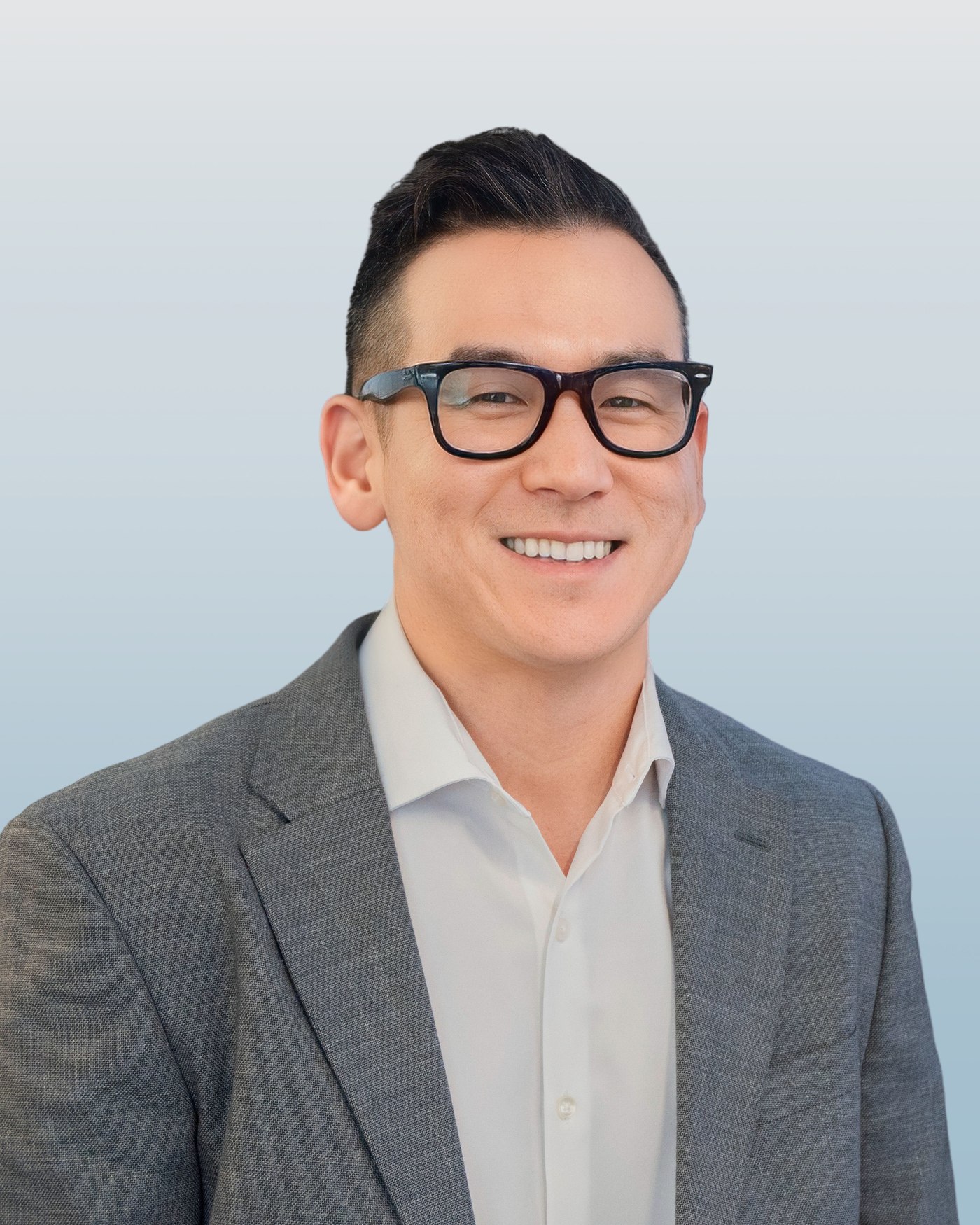
More than orthodontics
Orthodontist. Educator.
Practice owner.
Husband. Father.
I’m an orthodontist, educator, entrepreneur, husband, and most importantly, a father of three. Orthodontics has given me opportunities I never could have imagined — from building orthodontic practices from the ground up in Southern California to teaching doctors around the world.
Throughout that journey, I’ve remained fascinated by one question: how do we continue to become better as everything around us continues to change?
Technology changes. Patients change. Expectations change. My passion is understanding that evolution and helping doctors turn change into opportunity — to provide better care, create better experiences, and build stronger practices. But regardless of how much technology changes our profession, I believe the most important part of orthodontics will always remain the same.
People.
Read the full storyDiplomate, American Board of Orthodontics
Align Global Faculty
Former Clinical Assistant Professor, USC Graduate Orthodontics
Co-Founder, SMARTA Ortho Solutions
Focus
Three ideas guide the work.
Everything I teach and build sits under one of three pillars — the tools, the timing, and the practice that has to make sense of both.
Digital orthodontics
Turning technology into better clinical decisions.
Digital technology has changed what orthodontists can see, plan, communicate, and deliver. The emphasis always stays on how a tool improves clinical decision-making and the patient experience — not on the tool itself.
The growing patient
Right treatment. Right tool. Right time.
Some of the most important decisions in orthodontics aren’t about how to treat. They’re about when. More digital treatment options mean better decision-making matters more, not less.
The evolving practice
Better clinical systems can create better patient experiences.
Clinical innovation doesn’t happen in isolation. Every advancement in treatment eventually changes how a practice operates — and how the patients inside it expect to be treated.
Practice ownership
Built from the ground up.
My perspective on orthodontics has been shaped not only by treating patients, but by building orthodontic practices from the ground up. Together with my business partner, Dr. Trang Nguyen, I co-founded Sons & Daughters Orthodontics, developing two orthodontic practices in Southern California.
Building a practice from scratch changed how I evaluate innovation. New technology can’t simply be exciting — it has to work in the real world. Does it improve patient care? Does it improve the patient experience? Does it make the team more effective? Does it let the doctor spend time where it matters most?
Explore Sons & Daughters Orthodontics
From the practice to the stage
Teaching orthodontics around the world.
What began as a passion for clinical orthodontics evolved into a passion for education. My lectures explore how technology is changing the entire orthodontic journey — from diagnosis and treatment planning to communication, delivery, monitoring, and practice transformation.
See where I’ve spoken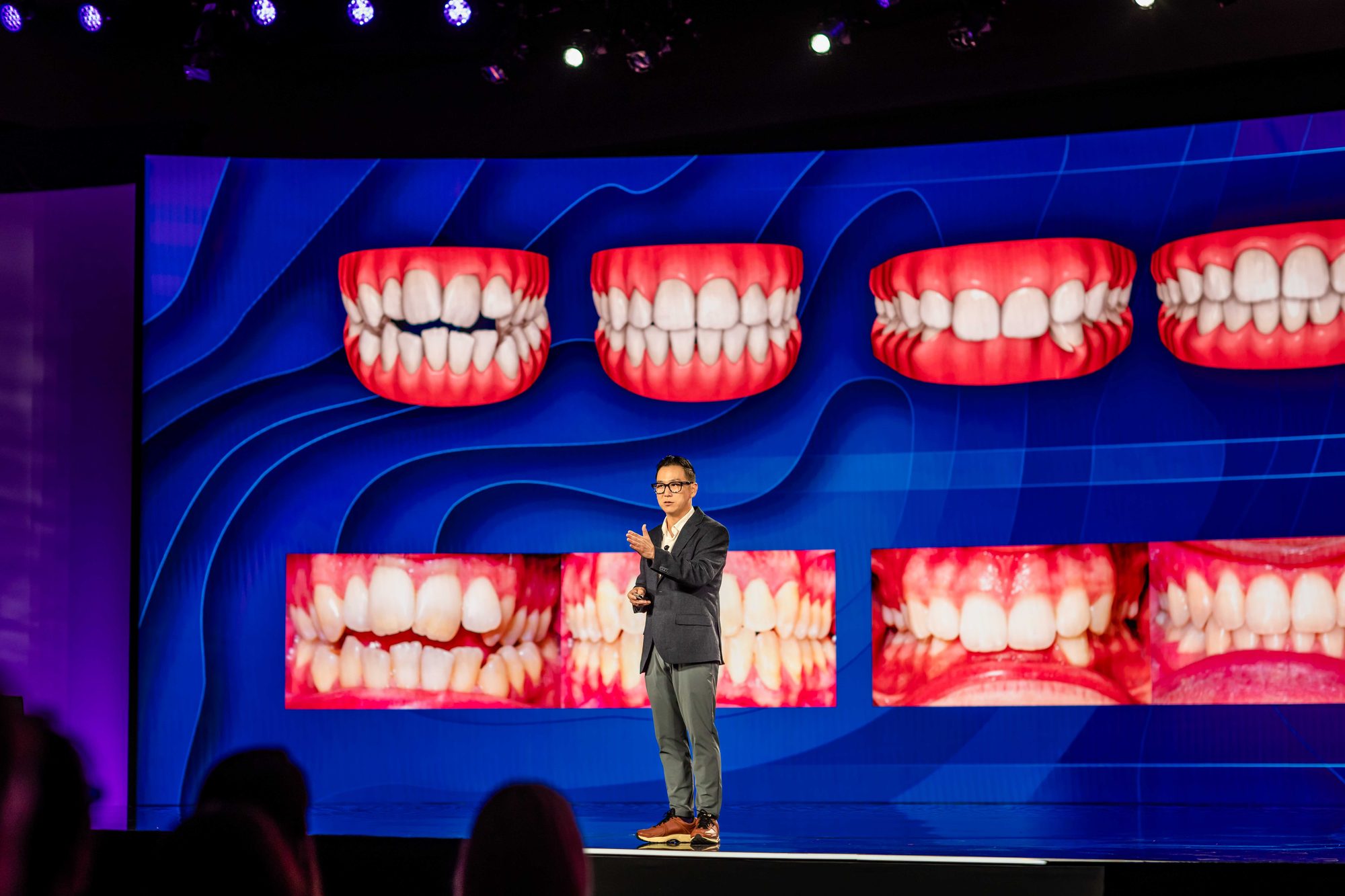
From education to implementation
SMARTA Ortho Solutions
I co-founded SMARTA Ortho Solutions with Dr. Marta Baird to help orthodontists translate digital innovation into practical clinical systems — not just what digital tools can do, but how they become part of a repeatable workflow.
Through online education, live programs, and one-on-one coaching, SMARTA helps doctors move from learning, to understanding, to implementing.
Explore SMARTA coachingThe changing consumer
Our technology isn’t the only thing evolving. Our patients are too.
Today’s patients have more information, more choices, and greater expectations — for convenience, personalization, and communication. Healthcare is increasingly compared not just to other healthcare experiences, but to every consumer experience.
Technology may change how orthodontics is delivered. Understanding people determines how successfully it’s adopted.
Life beyond orthodontics
For all of the places orthodontics has taken me, home remains the most important one. I’m fortunate to share this journey with my wife and our three children. Being a husband and father continues to shape the way I think about leadership, priorities, and why the work we do matters. Traveling the world and teaching doctors is an incredible privilege — but success means very little without the people we get to share it with.
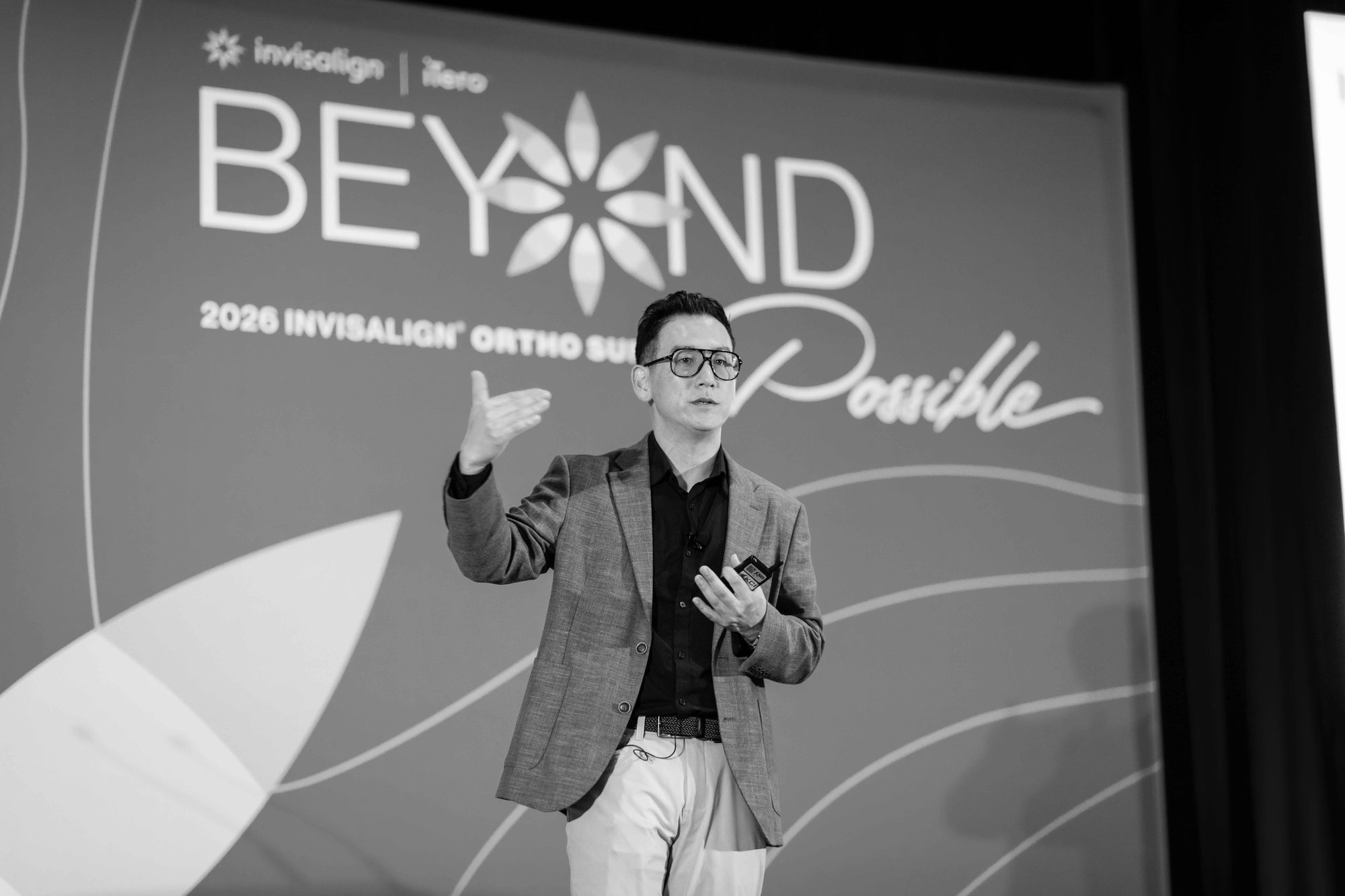
The future of orthodontics is bigger than technology.
Technology will continue to evolve. Our patients will continue to evolve. And our profession will continue to evolve. Our opportunity is to evolve with it — using better tools, better clinical judgment, better systems, and better communication to create an extraordinary experience for the people we serve.
Because ultimately, the pursuit of what’s possible has always been about people.
— Dr. Sam Lee